Is It Cheaper to Make Your Own Perfume?
It depends on what you're making. Here is what real perfume materials cost, and when doing it yourself actually pays off.
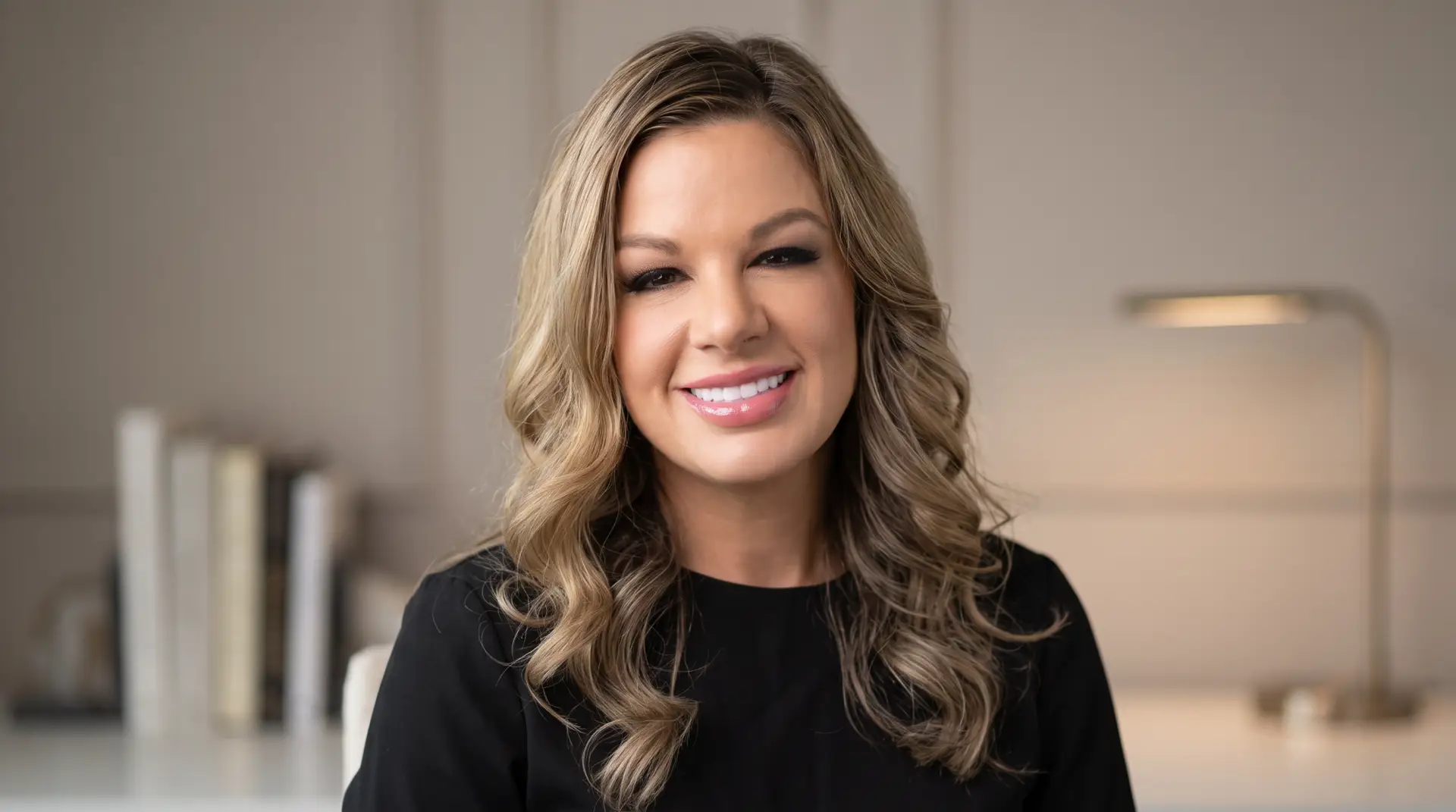 By Cheryl Gleason · Founder & Perfumer
Is making your own perfume really cheaper?
I get asked this all the time, usually by someone holding a bottle of a perfume they love and doing math in their head. My honest answer surprises people.
It depends on what you're making. Real perfume materials are expensive, period. Making your own only saves money if you make a big batch and wear a lot of it, as in spraying yourself ten-plus times a day. For most people, a bottle made with a perfumer, or a designer perfume you love, costs less than stocking a home perfume lab.
I am a trained perfumer, and I buy perfume materials every week for our New Lenox lab. I love them. I also know exactly what they cost. So let's look at real numbers, not guesses.
Why are perfume materials so expensive?
Because many of them are rare, slow to produce or both. Take jasmine, one of the great flowers of perfumery. In Grasse, France, it is still picked by hand, one blossom at a time, at dawn when its scent is strongest. The perfume house Galimard notes that “8000 flowers are needed to obtain one kilo” of flowers, and it takes about 650 kilos of flowers to make a single liter of jasmine absolute.
An absolute is a very concentrated fragrance extracted from delicate flowers that can't survive the heat of steam distillation. It smells closer to the living flower, and it is priced like it.
Here is what a few materials cost right now at Perfumer's Apprentice, one of the best-known perfumery suppliers in the country:
| Material | Small size | Larger size |
|---|---|---|
| Green mandarin oil | $6.25 for 4 ml | $79.50 for 250 g |
| Jasmine grandiflorum absolute | $39.50 for 4 ml | $385.50 for 60 ml |
| Jasmine sambac absolute | $54.50 for 4 ml | $1,438 for 200 ml |
| Ambrette seed oil | $94 for 4 ml | $652 for 50 g |
Ambrette seed, a soft, musky seed oil prized in fine fragrance, works out to more than $23 a milliliter. And a beautiful perfume might use a dozen or more materials. Citrus oils are the bargains of the perfume world. The materials that give a perfume its depth, warmth and staying power are not.
Buy just four or five absolutes in the smallest size and you can spend $200 to $300 before you have bought a scale, a bottle or perfumer's alcohol.
Why do some designer perfumes cost so much?
Once you start buying materials, you start to understand. Here are three of today's most-loved perfumes and their current price ranges at Nordstrom, which vary by bottle size:
Baccarat Rouge 540 eau de parfum, the amber-and-saffron scent you have probably smelled on a stranger and asked about.
Delina eau de parfum, a lush rose-and-lychee floral.
Santal 33 eau de parfum, the creamy sandalwood that defined a decade.
A well-known perfume can contain dozens of materials, some of them costly, rare or made just for that house. Matching one closely takes a trained nose, many rounds of testing and a real investment in materials. When you try to recreate a favorite at home, you quickly see why some of them are priced so highly.
Eau de parfum, by the way, is the perfume strength with a higher share of fragrance oils than an eau de toilette, which helps it last on skin. Every bottle from our bars is an eau de parfum, made at 50% fragrance material to perfumer's alcohol.
Why are perfume dupes so much cheaper?
A dupe is a lower-priced fragrance designed to smell like a famous perfume. Recreating a commercial perfume also teaches you why you can find dupes so easily and so cheaply: most are made from fragrance oils.
Fragrance oils are pre-blended scents, made to be affordable and consistent. CandleScience, a candle-making supplier, describes them as “concentrated liquid scents used to add aromas to a vast array of products,” made mainly for candles and wax melts. Their fragrance oils start at about $3.49.
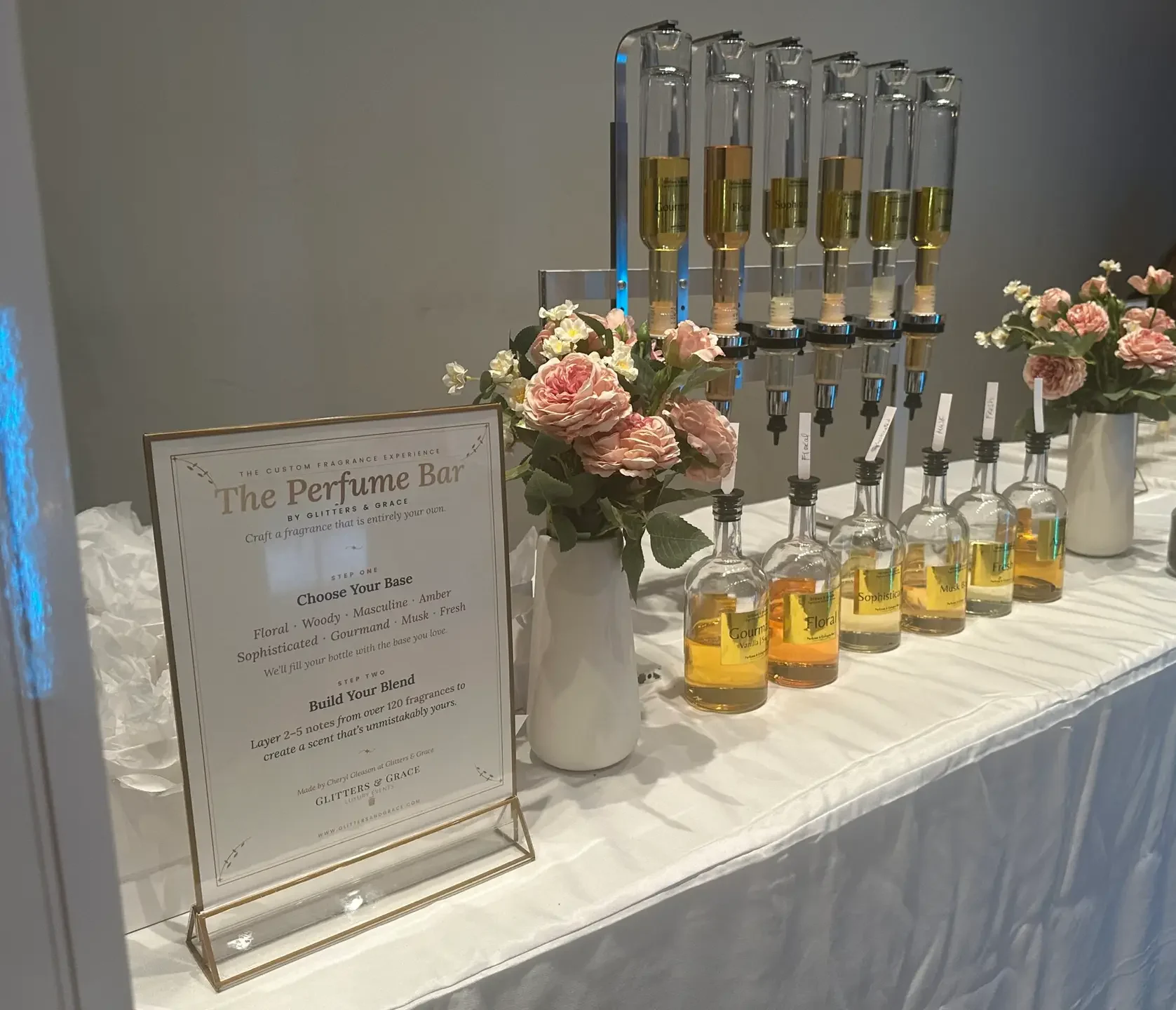
Fragrance oils have a place
That place is usually candles and soap, where they shine. They are built to throw scent across a room or hold up in a bar of soap, not to unfold on skin over a day.
Perfume made with them doesn't last
Many dupes are also mixed into a carrier oil, like jojoba or coconut oil, instead of perfumer's alcohol. A carrier oil is a neutral oil used to dilute fragrance. It keeps the price wildly low, but the scent sits close to the skin and usually fades fast.
In my Perfume 101 lesson, I do say skin-safe fragrance oils with IFRA safety paperwork can be a fine, affordable way to practice. Just know they are a different thing from perfume materials.
When is it actually cheaper to make your own perfume?
When you make a big batch of it and use a lot of it. I mean a lot, like you are dousing yourself in it ten or more times a day. If one scent is your whole personality and you go through a bottle a month, buying the perfume materials and blending it yourself can pay off over time.
- It can be cheaper if you love one scent, wear it constantly and are willing to buy materials in larger sizes.
- It usually isn't cheaper if you wear perfume a few times a week, like to switch scents, or want to recreate a complex designer perfume. You will spend more on materials than you will ever use.
- It is always worth it if you want to learn. Making perfume trains your nose and changes how you smell everything.
For beginners who want to learn without overspending, my teacher, perfumer and educator Karen Gilbert, puts it simply: “Start with a small palette of materials you can really learn.” In her beginner's guide, she says you can start for under £100 if you buy sensibly, with a palette of 10 to 15 materials, basic equipment and perfumer's alcohol. If you want to go deeper, her online perfume school is where I would send anyone serious about learning.
Where should you buy perfume materials?
Hands down, Perfumer's Apprentice. They work with some of the best suppliers in the world, including Robertet, Givaudan, Firmenich and Albert Vieille, and you can get your hands on rare and original materials that are hard to find anywhere else. Their 4 ml sizes are the smartest way to experiment before committing to a full bottle.
I also like Fraterworks for small batches. Whatever you buy, look for safety documentation, including IFRA certificates. IFRA is the International Fragrance Association, which sets the safety standards for fragrance materials on skin.
What if you want to try it without buying everything?
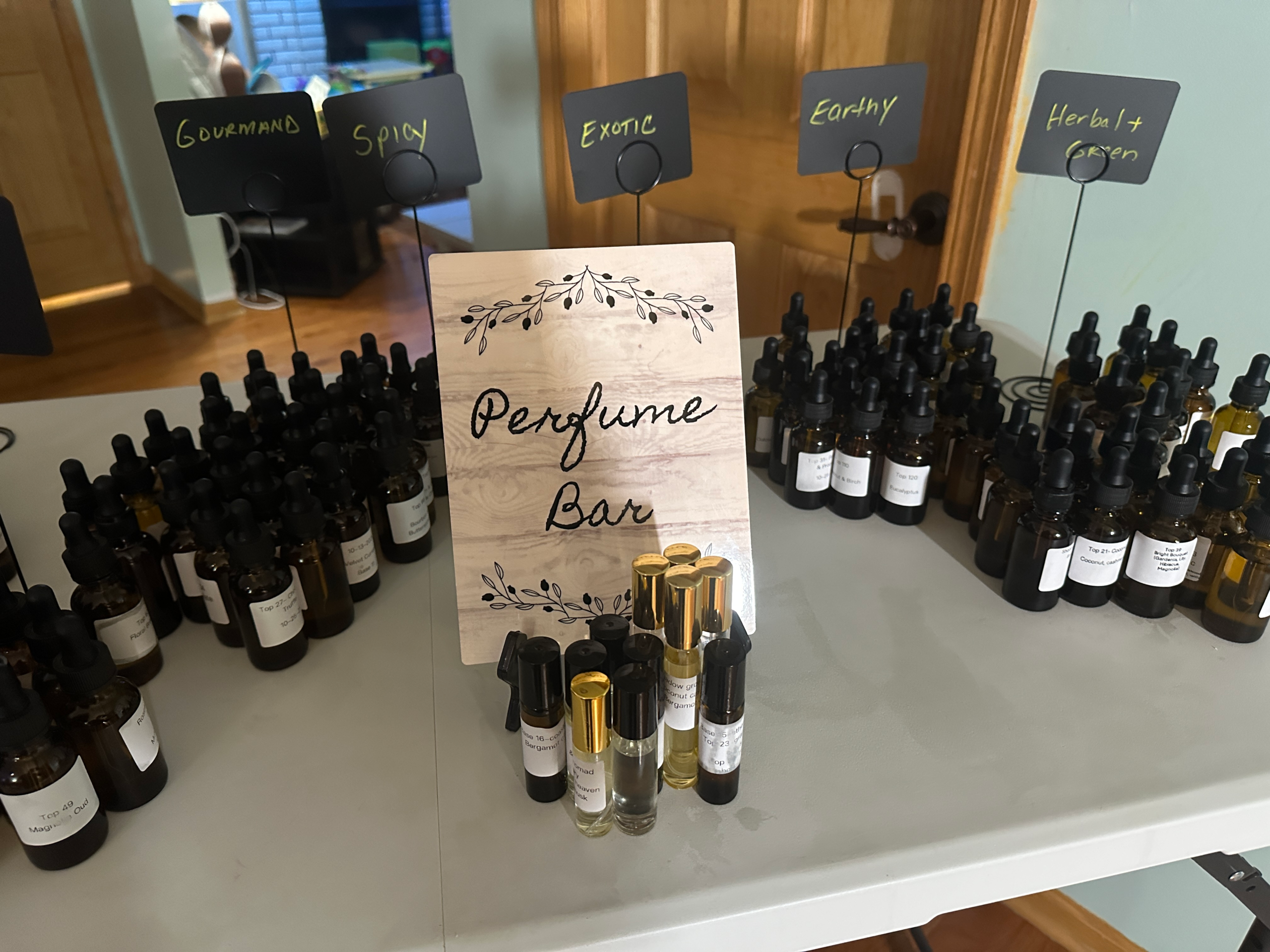
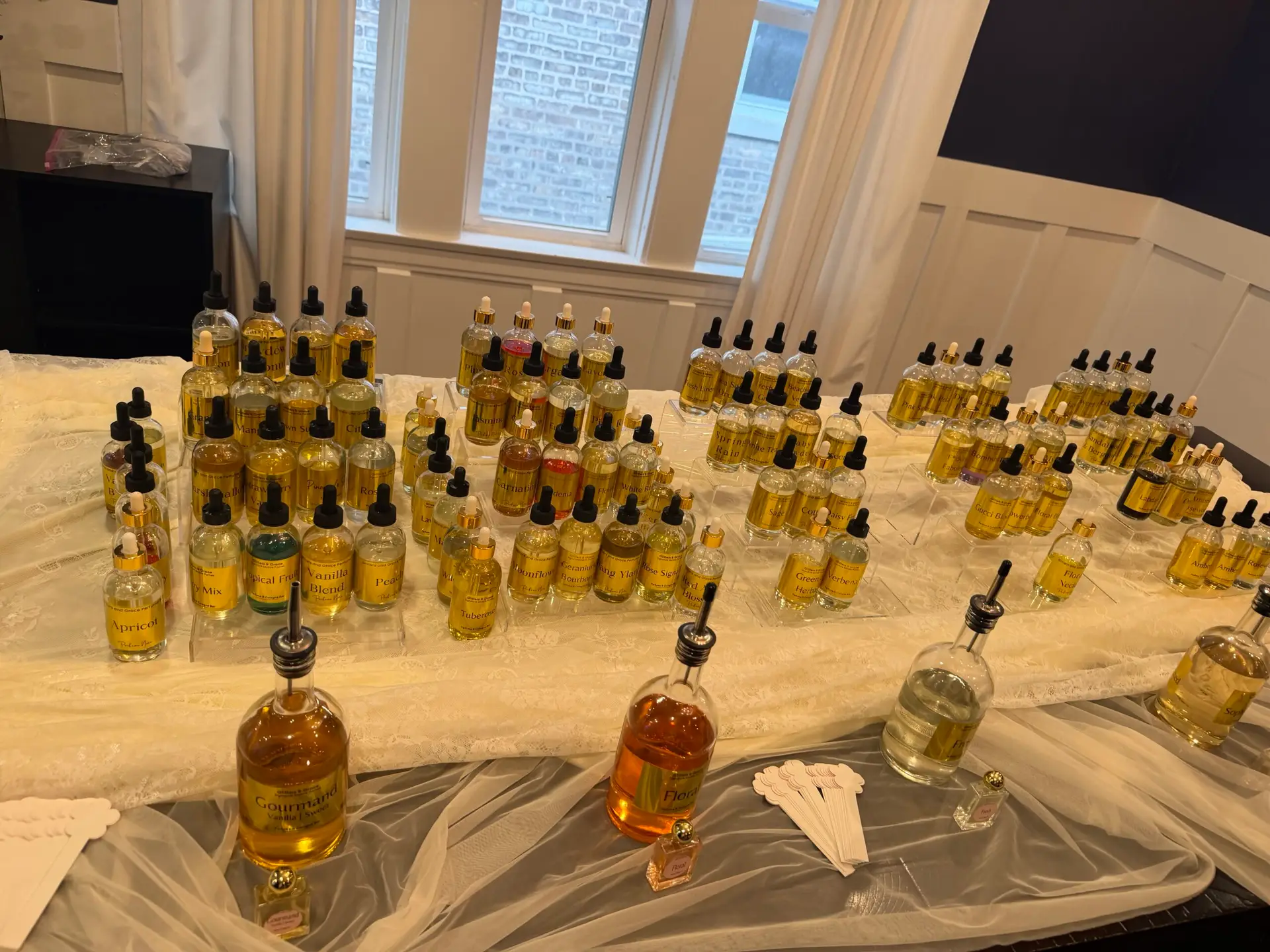
Blend with us. You get to work with dozens of real perfumery materials, absolutes, CO₂ extracts and essential oils, without buying a single full bottle.
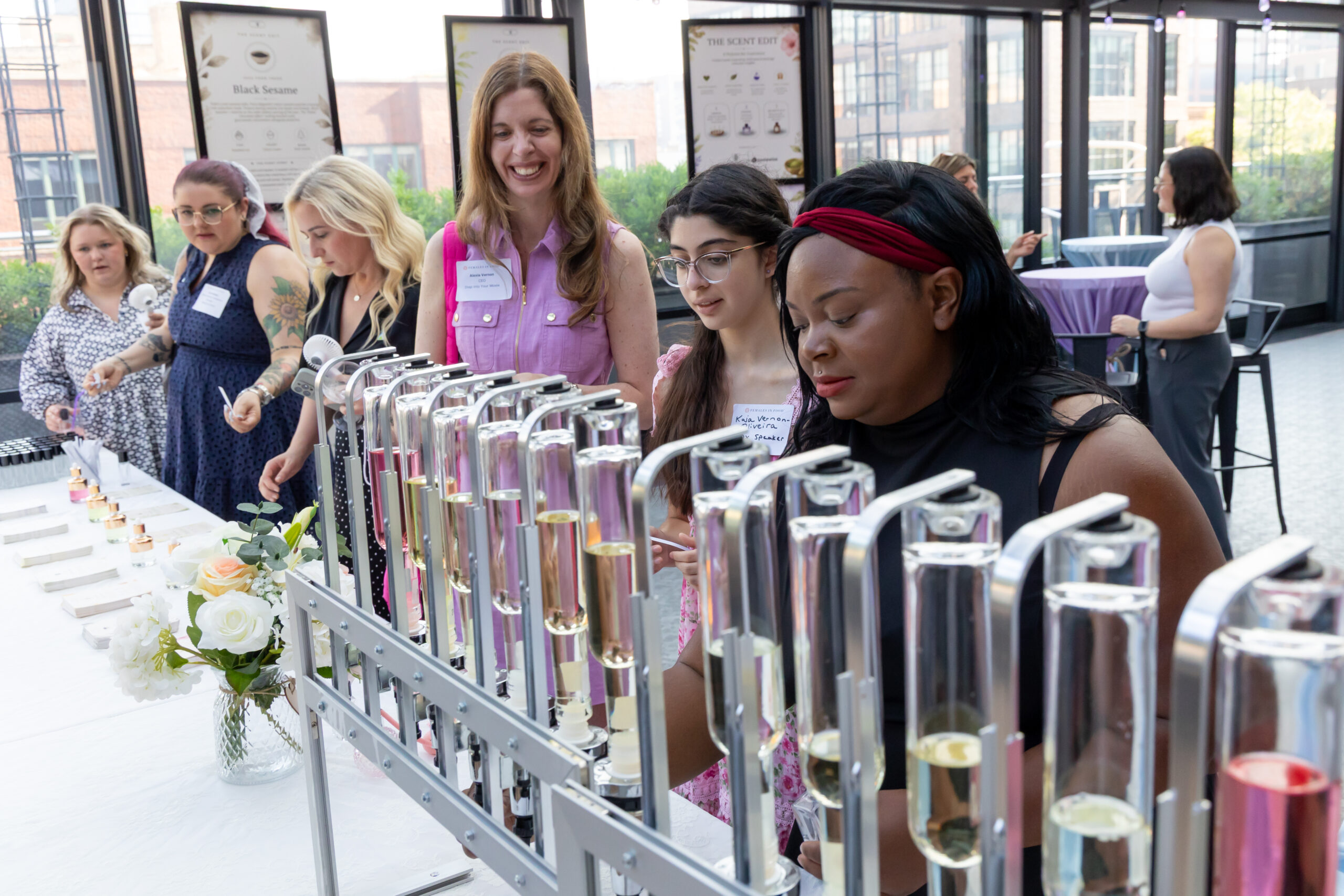
A perfume bar for your event
Our bars start at $500 for your whole event, quoted per event rather than per guest. Every guest leaves with a 15 ml or 20 ml eau de parfum they made. See perfume bar pricing or how to make your own perfume with us.
A perfume made just for you
A one-to-one fragrance consultation is $650, at your home or our Mokena studio, which opens in January 2027. Blend with my guidance, or let me create it for you. Your formula is kept on file so you can reorder it anytime.
What else do people ask about the cost of making perfume?
Is it cheaper to make your own perfume?
It depends on what you're making. Real perfume materials are expensive, so making your own usually only saves money if you make a big batch and wear a lot of it, as in spraying yourself ten or more times a day.
Why are perfume materials so expensive?
Many are rare and slow to produce. Jasmine is still picked by hand at dawn in Grasse, and it takes about 8,000 blossoms to make one kilo of flowers. At Perfumer's Apprentice, 4 ml of jasmine sambac absolute is $54.50.
Why are perfume dupes so cheap?
Most dupes are made with fragrance oils, pre-blended scents built mainly for candles and soap, and many are mixed into a carrier oil like jojoba or coconut oil. That keeps them inexpensive, but they usually don't last long.
How much does it cost to start making perfume at home?
Karen Gilbert says you can start for under £100 if you buy sensibly. Expect to spend more as soon as you add absolutes, which often run $40 to $95 or more for just 4 ml.
Where should I buy perfume materials?
Hands down, Perfumer's Apprentice. They carry materials from some of the best suppliers in the world, plus rare and original materials, in small 4 ml sizes that are perfect for experimenting.
Can I recreate a designer perfume at home?
You can try. Matching one closely takes skill, patience and a real investment in materials, and the attempt usually shows you exactly why the original costs what it does.
What's the most affordable way to make a perfume with real materials?
Blend with us. A perfume bar starts at $500 for your whole event, and a one-to-one fragrance consultation is $650, with your formula kept on file so it can be remade.
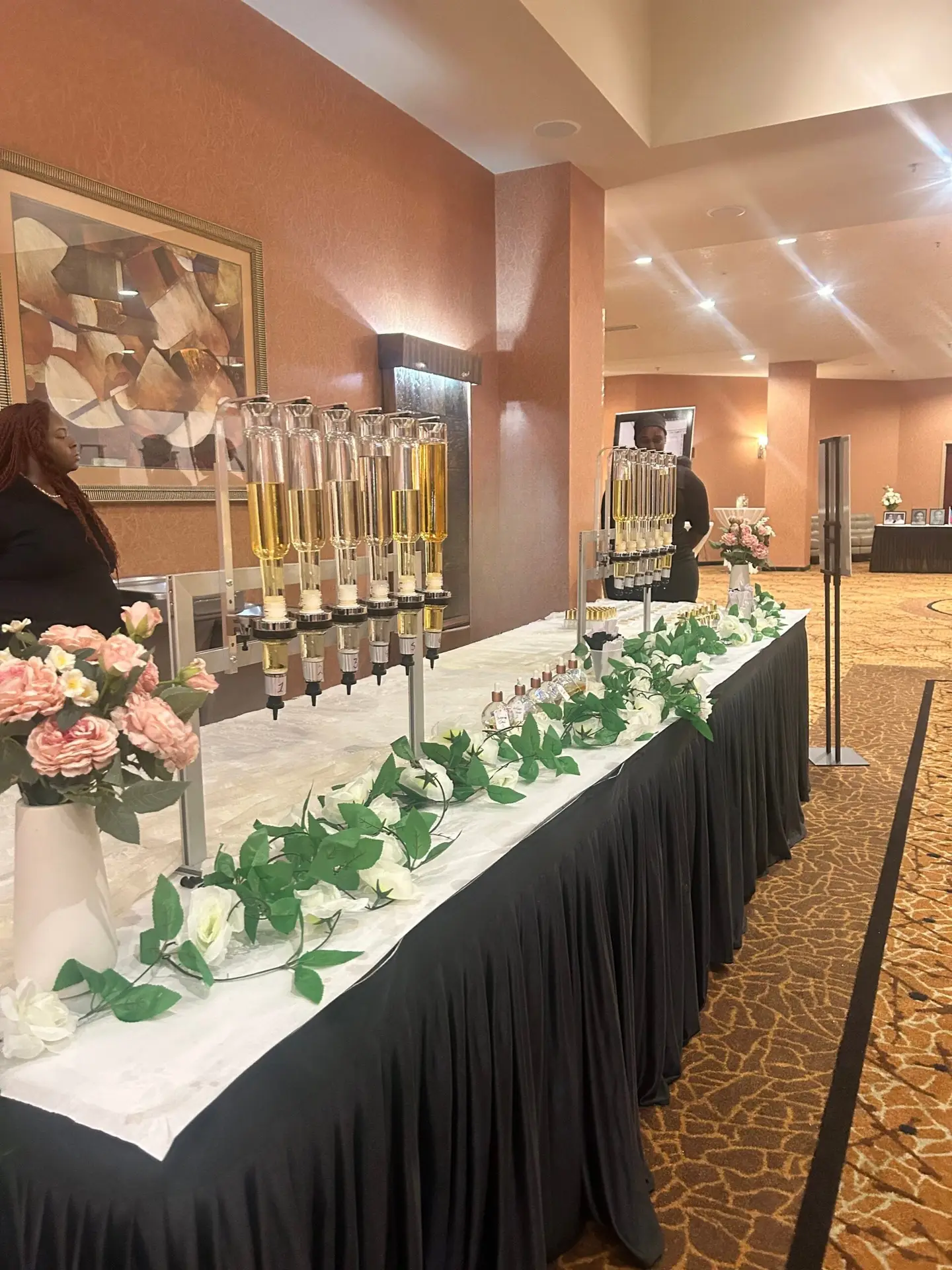
Ready to blend a perfume with a perfumer?
Send your date, location and a rough guest count. We reply within 2 business days with an itemized proposal.
Cheryl Gleason
Owner, Perfumer & Creative Director, Glitters and Grace
perfume@glittersandgrace.com · 815.418.6740
Sources: Perfumer's Apprentice, jasmine grandiflorum absolute · Perfumer's Apprentice, jasmine sambac absolute · Perfumer's Apprentice, ambrette seed oil · Perfumer's Apprentice, green mandarin oil · Nordstrom, Baccarat Rouge 540 · Nordstrom, Parfums de Marly Delina · Nordstrom, Le Labo Santal 33 · CandleScience, fragrance oils · CandleScience, “What Are Fragrance Oils?” · Galimard, “Perfume plants of Grasse: jasmine” · Karen Gilbert, “How to Make Perfume: A Guide for Beginners”